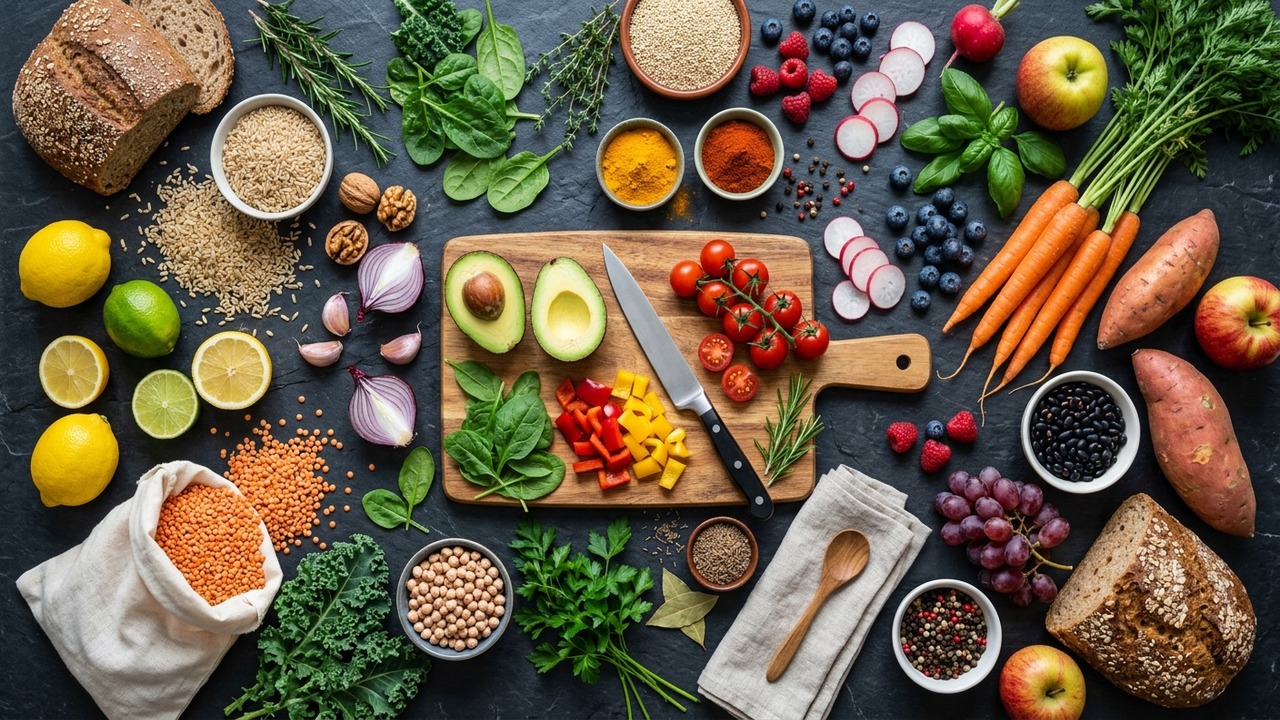
Earth Day falls on 22 April, and this year it's the perfect moment to take stock — quite literally — of what's sitting in your kitchen cupboards. Food waste is one of the biggest contributors to household carbon emissions, and a well-managed pantry is one of the simplest places to start making a real difference.
Why Your Pantry Matters for the Planet
The average UK household throws away a significant amount of food every year, much of it from the back of the cupboard — forgotten tins, out-of-date grains, half-used packets that never found a second meal. That's not just money down the drain; it's the energy, water, and land that went into growing and transporting food that ultimately never got eaten.
The good news? A few straightforward habits can make a meaningful difference.
Audit Before You Shop
Before heading to the shops this week, do a quick pantry audit:
- Pull everything out from the back of the shelves
- Group items by type: pulses, grains, condiments, tinned goods
- Note what's close to its best-before date
- Identify anything you've doubled up on accidentally
Pantrist makes this effortless. Log your stock once and it keeps track for you — expiry alerts ensure nothing quietly rots at the back of the shelf.
Shop Seasonally and Buy What You'll Use
April is a brilliant month for seasonal produce in the UK. Asparagus, spinach, spring onions, and radishes are all at their best right now. Buying what's in season means less packaging, less transport, and usually lower prices.
Build your pantry around plant-based staples that store well and flex across dozens of meals:
- Red lentils — hearty soups, dals, and quick curries
- Tinned chickpeas — salads, stews, and oven-roasted snacks
- Oats — porridge, overnight oats, granola, or flapjacks
- Brown rice and quinoa — versatile, filling grain bases
- Tinned tomatoes and coconut milk — sauce essentials for countless dishes
Reduce Waste With Better Habits
The most sustainable pantry is one where things actually get used. A few small changes close the gap between intention and action:
- First in, first out — put new purchases behind older stock so older items get used first
- Plan meals around what you have, not the other way round — check your shelves before deciding what to cook
- Batch cook and freeze — cook larger portions of pulses and grains, then store them in labelled portions
- Use Pantrist expiry alerts to plan a "use it up" meal before anything goes to waste
The shared shopping list in Pantrist also prevents duplicate purchases — a surprisingly common source of waste in households where more than one person shops.
Eat to Reduce Your Footprint
Shifting towards meals built around pulses, grains, and seasonal vegetables is one of the most effective everyday choices for reducing your environmental footprint. And the best part: these ingredients are inexpensive, filling, and genuinely delicious when cooked well.
Lentil soup with crusty bread. Chickpea and spinach curry over rice. Roasted vegetable couscous with herby dressing. All of it comes together quickly, costs little, and leaves a lighter footprint on the planet.
Small Changes, Big Impact
You don't need to overhaul your entire lifestyle for Earth Day. Start with one shelf, one habit, one week of planned meals. Pantrist is designed to make this feel manageable — track what you have, use what you've got, and shop only for what you actually need.
This April, let your pantry lead the way.