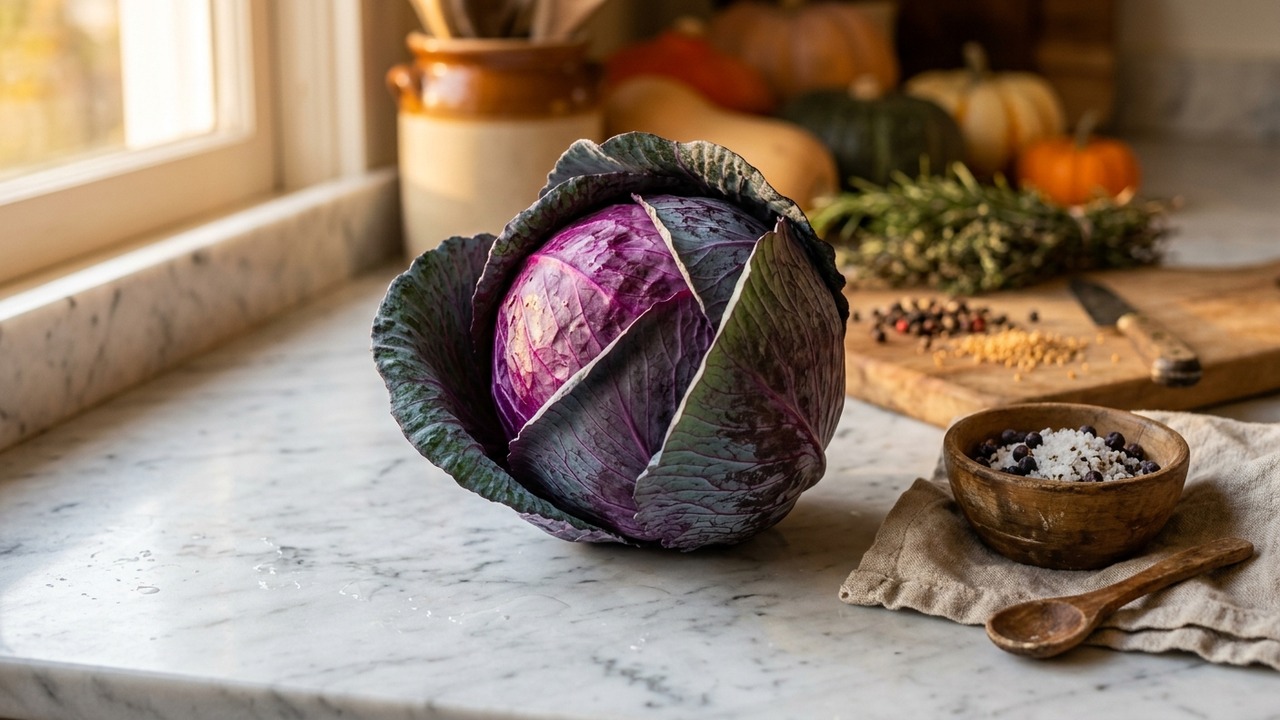
Autumn Fermentation: Build a Living Pantry for Winter
October has a certain magic for those who like to stock up. The harvest is winding down, the days are shortening, and it's the perfect time to do something your grandparents took for granted: ferment. Turning a glut of autumn cabbage, beetroot, or carrots into jars of tangy, probiotic-rich goodness is one of the most rewarding things you can do for your winter pantry.
Why Ferment in October?
Autumn produces abundant, cheap vegetables — white cabbage, red cabbage, carrots, beetroot, and turnips are all at their seasonal best and typically very affordable. Fermentation requires no specialist equipment, no vinegar, and no heat. All you need is salt, time, and a clean jar.
With Pantrist, you can log each batch you make, note the date it was started, and set a reminder for when it'll be ready to eat. No more forgotten jars at the back of the fridge.
Getting Started: The Basics
Lacto-fermentation is simpler than it sounds. Salt draws moisture out of vegetables, creating a brine in which beneficial bacteria thrive. The result is tangy, complex, and full of flavour.
What you need:
- Fresh vegetables (cabbage, carrots, beetroot, radishes, cauliflower)
- Non-iodised salt (sea salt or kosher salt)
- Clean glass jars with lids
- A clean wooden spoon or your hands
The general rule is 2% salt by weight — so 20 g of salt per 1 kg of vegetables.
Three Autumn Ferments to Try
Classic Sauerkraut
Shred a white or savoy cabbage finely. Weigh it, then add 2% of its weight in salt. Massage the salt into the cabbage for 5–10 minutes until the juices release. Pack tightly into a clean jar, pressing down until the brine rises above the cabbage. Seal loosely and leave at room temperature for 5–14 days, tasting as you go.
Carrot and Ginger Ferment
Grate or thinly slice 500 g of carrots and add 10 g of salt and a thumb of fresh grated ginger. Massage, pack into a jar, and ferment for 3–7 days. Bright, tangy, and wonderful alongside soups and grain bowls.
Fermented Beetroot
Slice or cube raw beetroot, dissolve 2% salt in water to make a brine, and submerge the beetroot in a jar. Add a bay leaf and a few peppercorns for extra depth. Ready in 5–10 days — earthy, sweet, and deeply purple.
Storing Your Ferments
Once fermented to your taste, move jars to the fridge. Most ferments keep for several months when refrigerated. Use Pantrist to track how many jars you have open, note their start dates, and make sure you're using them before they peak.
Building a Fermented Pantry
Alongside your homemade ferments, consider stocking:
- Miso paste (for soups, dressings, and marinades)
- Tamari or soy sauce
- Apple cider vinegar
- Dried pulses and grains for serving alongside ferments
A small jar of sauerkraut alongside a bowl of lentil soup, or a spoonful of fermented carrot on top of roasted squash — these little additions transform simple meals into something genuinely satisfying.
Fermentation is one of the oldest forms of food preservation, and it fits perfectly into a modern, sustainable kitchen. Start a jar this weekend, log it in Pantrist, and let autumn's abundance carry you through the winter months.